

How to Lower Systolic Blood Pressure Naturally: 7 Proven Strategies

For most people diagnosed with hypertension, medication is the primary treatment — it is safe, effective, and for many, potentially life-saving. Lifestyle strategies are an important complement: they can meaningfully support blood pressure management, particularly for people with mildly elevated numbers, but they are not a substitute for medical care. A physician determines what’s appropriate for your situation.
This article covers how to lower systolic blood pressure naturally — the seven strategies with the strongest clinical evidence, and how Hilo Core helps you observe whether they’re working.
Key Facts
- Nearly half of US adults have hypertension: About 47% are affected — and lifestyle strategies, alongside medical care, can meaningfully support management.
- You can’t feel it: Most people with high blood pressure have no symptoms. Observation matters because sensation doesn’t signal it.
- Lifestyle works — but results vary: Evidence-based strategies can reduce systolic BP by up to 11–14 mmHg in some people — but individual response differs significantly. The missing piece is knowing whether your changes are working.
- Hilo Core fills that gap: By surfacing your BP patterns over time, Hilo Core helps you understand how your daily habits relate to your BP patterns — so your strategies become visible, not just theoretical. Starting at US$239.98 for the first year (US$89.99 hardware + US$149.99 annual subscription).
What Is Systolic Blood Pressure — and When Is It Too High?
Blood pressure is recorded as two numbers. The top number — systolic pressure — measures the pressure in your arteries each time the heart contracts. It is the figure that rises most predictably with age, and in adults over 50, it is the stronger predictor of cardiovascular risk.
According to current AHA/ACC guidelines, a systolic reading below 120 mmHg is considered normal. Between 120 and 129 is elevated. At 130 mmHg or above, that’s Stage 1 hypertension — and current guidelines recommend initiating treatment at that threshold, with a target below 130/80 mmHg for most adults. Stage 2 hypertension begins at 140 mmHg systolic.
According to the guidelines, medication is recommended for all adults with an average blood pressure of at least 140/90 mmHg, and at 130/80 mmHg for selected adults with cardiovascular disease, previous stroke, diabetes, chronic kidney disease, or increased 10-year cardiovascular risk. Lower-risk adults with Stage 1 hypertension may begin with a three- to six-month lifestyle trial before medication is added if average blood pressure remains elevated.
Knowing where your numbers sit matters. What actually moves them is where the evidence gets specific.
7 Evidence-Based Strategies to Lower Systolic Blood Pressure Naturally
These are the strategies with the most consistent clinical evidence. Each comes with an estimated effect on systolic BP — though individual responses vary, and these ranges reflect population-level data from controlled studies. For people with truly elevated blood pressure, medication may be medically necessary — your healthcare professional determines what is appropriate.

Lifestyle strategies work best alongside medical care. Over time, consistent changes may allow a healthcare professional to consider adjusting medication, but that decision is always clinical.
Importantly, the strategies can complement each other, but their expected effects should not simply be added together.
1. Reduce Sodium Intake
Sodium causes your body to retain fluid, which raises the volume of blood in your vessels and increases pressure against the artery walls. The AHA/ACC guideline recommends less than 2,300 mg per day, moving toward an ideal limit below 1,500 mg per day for most adults.
The impact is meaningful: combined with the DASH diet, a low-sodium eating plan has reduced systolic BP by 8–14 mmHg in some studies. That can be comparable to the effect seen with a single blood pressure medication, but it does not mean lifestyle changes should replace prescribed treatment. The biggest source of dietary sodium is not the salt shaker. It is packaged and processed foods, where sodium is used as a preservative.
2. Follow the DASH Diet
The Dietary Approaches to Stop Hypertension eating plan is the most extensively studied dietary pattern for blood pressure management. It emphasizes fruits, vegetables, whole grains, and low-fat dairy while limiting saturated fat, red meat, and added sugars.
NHLBI-funded research has shown that DASH combined with a low-sodium eating plan can produce substantial blood pressure reductions. In people with hypertension, DASH alone has been associated with systolic reductions of up to 11 mmHg. DASH has decades of clinical backing and works as a long-term dietary pattern, not a short-term intervention.
3. Exercise Regularly — Especially Aerobic Activity
Regular aerobic exercise strengthens the heart, allowing it to pump blood more efficiently. The AHA recommends at least 150 minutes of moderate aerobic activity per week — around 30 minutes on most days.
The effect on systolic BP is consistent across studies: regular aerobic exercise is associated with reductions of about 4–8 mmHg. Brisk walking, cycling, swimming, and dancing all qualify — sustained regularity produces more of the benefit than pushing intensity. Resistance training contributes too, though the effect on blood pressure is smaller than aerobic exercise.
4. Manage Your Weight
Excess body weight increases the workload on your heart and can raise blood pressure. Losing even modest amounts of weight can meaningfully reduce systolic pressure. The 2025 AHA/ACC guideline recommends a sustained reduction of at least 5% of body weight for adults with overweight or obesity.
Waist circumference matters independently of the number on the scale. Research shows excess abdominal fat is independently associated with elevated BP even in people who are not classified as overweight overall. A modest, sustained reduction matters more than hitting a specific number on the scale.
5. Limit Alcohol
Alcohol raises blood pressure in a dose-dependent way. The AHA/ACC guideline identifies abstinence as the optimal goal. For adults who continue to drink, intake should be limited to no more than one drink per day for women and two for men.
A meta-analysis of randomized controlled trials found alcohol reduction was associated with a mean systolic BP reduction of around 3 mmHg, with larger effects generally seen among people with higher baseline intake.
6. Manage Stress
Chronic stress can contribute to persistently elevated blood pressure over time. The evidence for specific stress-management techniques — mindfulness, deep breathing, progressive muscle relaxation — shows modest reductions in systolic pressure.
Stress is also one of the harder strategies to quantify. You cannot measure how stressed you were last Tuesday the way you can measure sodium intake. Long-term BP trend context can help you reflect on how stressful periods and routines may relate to your patterns, without proving cause and effect.
7. Prioritize Sleep
Short sleep — less than six hours per night — and poor sleep quality are associated with elevated systolic blood pressure. Blood pressure often falls by 10–20% during sleep, although the amount of nighttime dipping varies among individuals. Sleep apnea and disrupted sleep can contribute to nocturnal and resistant hypertension.
The National Sleep Foundation recommends seven to nine hours for adults. Good sleep hygiene — consistent bed and wake times, a cool dark environment, limiting screens before bed — is one of the most underappreciated tools for supporting cardiovascular health. Because sleep-related patterns unfold over time, long-term context can be useful.
Why Most People Struggle to Lower Their Blood Pressure Long-Term
Almost everyone with high blood pressure can name these strategies. Many have tried at least some of them. So why do roughly three-quarters of Americans with hypertension still not have it under control?
Three reasons account for most of the gap:
- Individual response varies widely: One person may see a big drop from cutting sodium; another responds mainly to exercise. Repeated cuff readings are needed to assess the clinical effect.
- Results take time: The timing varies by intervention and individual. Without feedback, motivation may erode before changes become visible.
- Feedback is too sparse: A single cuff reading cannot show a three-week trend, although a structured series of cuff readings can. Hilo can add long-term wellness context around those point-in-time measurements.
Knowing whether average cuff readings are changing — and by how much — is the part that should be assessed with validated measurement and clinical guidance.
Hilo Core: The Observation Layer for Long-Term Context
Hilo Core is a wellness system designed around one practical gap: helping you observe how long-term BP patterns evolve alongside lifestyle changes. It is a wellness product, not a medical device — it does not treat or diagnose high blood pressure. What it provides is a pattern layer around point-in-time cuff readings.
How the system works — two layers:
- Cuff-based reference measurement: The Hilo validated upper-arm cuff provides a point-in-time reference measurement. Wellness explains patterns. Medical confirms measurements.
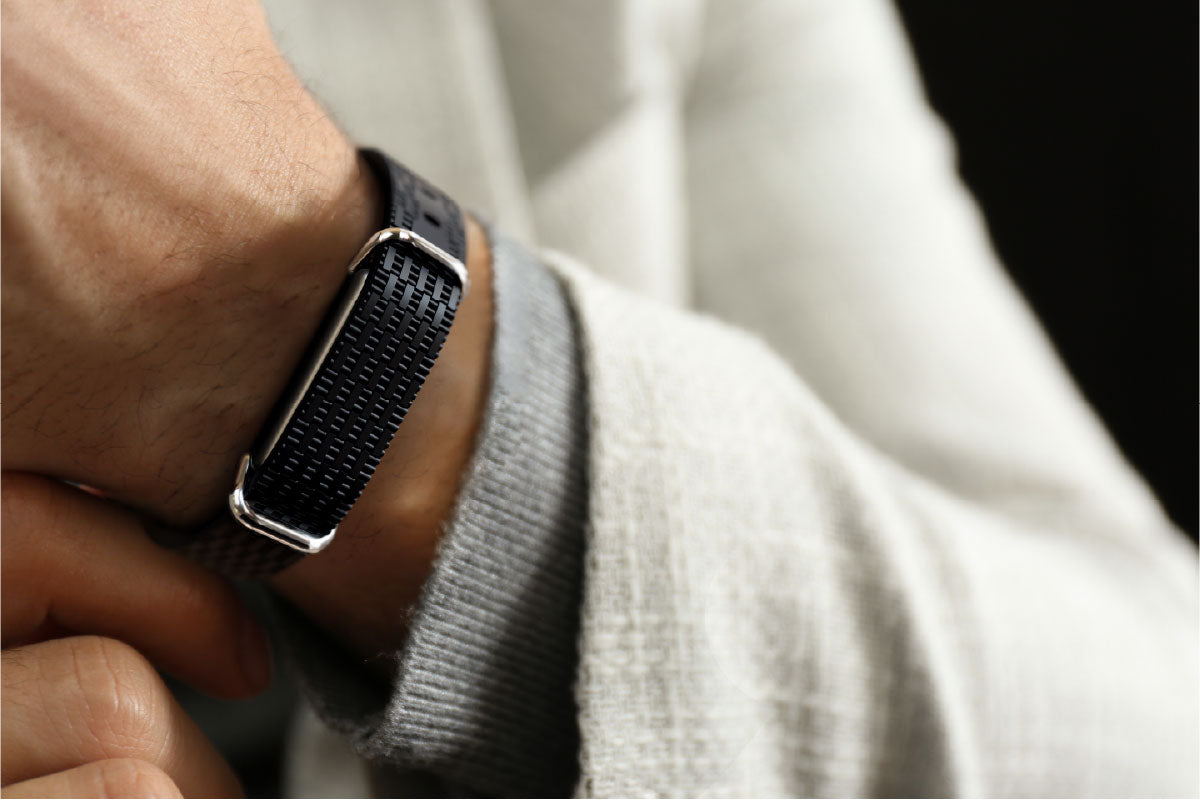
- Hilo band and app: Surface BP trends and patterns throughout the day — not exact clinical measurements, but the shape of blood pressure over time and how trends vary alongside sleep, exercise, stress, and daily routines.
Together, they make it possible to see what a single daily reading can’t reveal: whether your habits are shifting your blood pressure patterns over time.
See Whether Your Lifestyle Changes Are Actually Working
Hilo Core surfaces long-term blood pressure patterns so you can observe how they evolve alongside sleep, sodium, exercise, stress, and other daily routines.
Get Hilo CoreDisclaimer: Hilo Core is a wellness product. It is not intended to diagnose, treat, cure, or prevent any disease. It is not intended to measure blood pressure for medical purposes. This article is for general informational purposes only and does not constitute medical advice. Individual health decisions should be made in consultation with a qualified healthcare professional. Hilo Core is not recommended during pregnancy or for individuals with certain cardiac implants or pre-existing conditions. Please consult your healthcare provider before use.
Frequently Asked Questions
How quickly can lifestyle changes lower systolic blood pressure?
Some changes — particularly sodium reduction and limiting alcohol — can show effects within days to two weeks. Exercise and weight-related changes typically take longer, around 4–12 weeks of consistency. Observing your BP patterns over this window helps you see whether progress is happening before you’d notice it in a single reading.
Can you lower systolic blood pressure without medication?
For some lower-risk adults with Stage 1 hypertension, a three- to six-month lifestyle trial may be appropriate. Medication is recommended for all adults with average blood pressure at or above 140/90 mmHg and for many higher-risk adults at or above 130/80 mmHg. Whether medication can be reduced or stopped is a decision for a healthcare professional.
What is a good systolic blood pressure reading?
Below 120 mmHg is generally considered normal when diastolic pressure is also below 80 mmHg. A systolic pressure of 120–129 mmHg is elevated; an average systolic pressure of 130 mmHg or above is Stage 1 hypertension. The overarching treatment goal is generally below 130/80 mmHg for adults with confirmed hypertension, with individualization based on the full clinical picture.
Does Hilo Core lower blood pressure?
Hilo Core is a wellness product — it does not treat, diagnose, or claim to lower blood pressure. It surfaces BP patterns and trends over time, helping you observe how they evolve alongside lifestyle routines. Clinical care and validated cuff measurements remain the foundation.
Sources
- O. Unlu; C. P. Cannon; S. Lee et al. (2025). Cuffless Blood Pressure Monitoring in a Real-World Hypertension Management Program. American Journal of Hypertension, 38(5). https://doi.org/10.1093/ajh/hpaf003
- E. J. Hautaniemi; J. K. Koskela; J. A. Kettunen et al. (2023). The characteristics of elevated blood pressure in abdominal obesity correspond to primary hypertension: a cross-sectional study. BMC Cardiovascular Disorders, 23(1). https://bmccardiovascdisord.biomedcentral.com/articles/10.1186/s12872-023-03150-w
- X. Xin; J. He; M. G. Frontini; L. G. Ogden et al. (2001). Effects of Alcohol Reduction on Blood Pressure: A Meta-Analysis of Randomized Controlled Trials. Hypertension, 38(5). https://doi.org/10.1161/hy1101.093424
- N. Makarem; A. Shechter; M. R. Carnethon; J. M. Mullington et al. (2019). Sleep Duration and Blood Pressure: Recent Advances and Future Directions. Current Hypertension Reports, 21(5). https://doi.org/10.1007/s11906-019-0938-7
- n.a. High Blood Pressure Facts. Centers for Disease Control and Prevention. https://www.cdc.gov/high-blood-pressure/data-research/facts-stats/index.html (Accessed July 2026)
- n.a. High Blood Pressure — About. Centers for Disease Control and Prevention. https://www.cdc.gov/high-blood-pressure/about/index.html (Accessed July 2026)
- n.a. High Blood Pressure — Treatment. National Heart, Lung, and Blood Institute. https://www.nhlbi.nih.gov/health/high-blood-pressure/treatment (Accessed July 2026)
- n.a. Understanding Blood Pressure Readings. American Heart Association. https://www.heart.org/en/health-topics/high-blood-pressure/understanding-blood-pressure-readings (Accessed July 2026)
- n.a. Shaking the Salt Habit to Lower High Blood Pressure. American Heart Association. https://www.heart.org/en/health-topics/high-blood-pressure/changes-you-can-make-to-manage-high-blood-pressure/shaking-the-salt-habit-to-lower-high-blood-pressure (Accessed July 2026)
- n.a. Changes You Can Make to Manage High Blood Pressure. American Heart Association. https://www.heart.org/en/health-topics/high-blood-pressure/changes-you-can-make-to-manage-high-blood-pressure (Accessed July 2026)
- n.a. Limiting Alcohol to Manage High Blood Pressure. American Heart Association. https://www.heart.org/en/health-topics/high-blood-pressure/changes-you-can-make-to-manage-high-blood-pressure/limiting-alcohol-to-manage-high-blood-pressure (Accessed July 2026)
- n.a. How Much Sleep Do We Really Need? National Sleep Foundation. https://www.sleepfoundation.org/how-sleep-works/how-much-sleep-do-we-really-need (Accessed July 2026)
Read more

This article explains how blood pressure regulation actually works, which lifestyle factors shift it most and why tools like Hilo Core exist: to give you the pattern visibility that a single clinic...
Blood pressure time in target range (TTR) estimates the share of a measurement period during which blood pressure stayed within a defined range. TTR can add information beyond a single reading or a...

Hilo Core may be a good fit when blood pressure is the health signal you most want to follow and isolated readings leave too much of the story between checks. This guide explains what the included ...