

Blood Pressure Time in Target Range: What It Shows Beyond a Single Reading
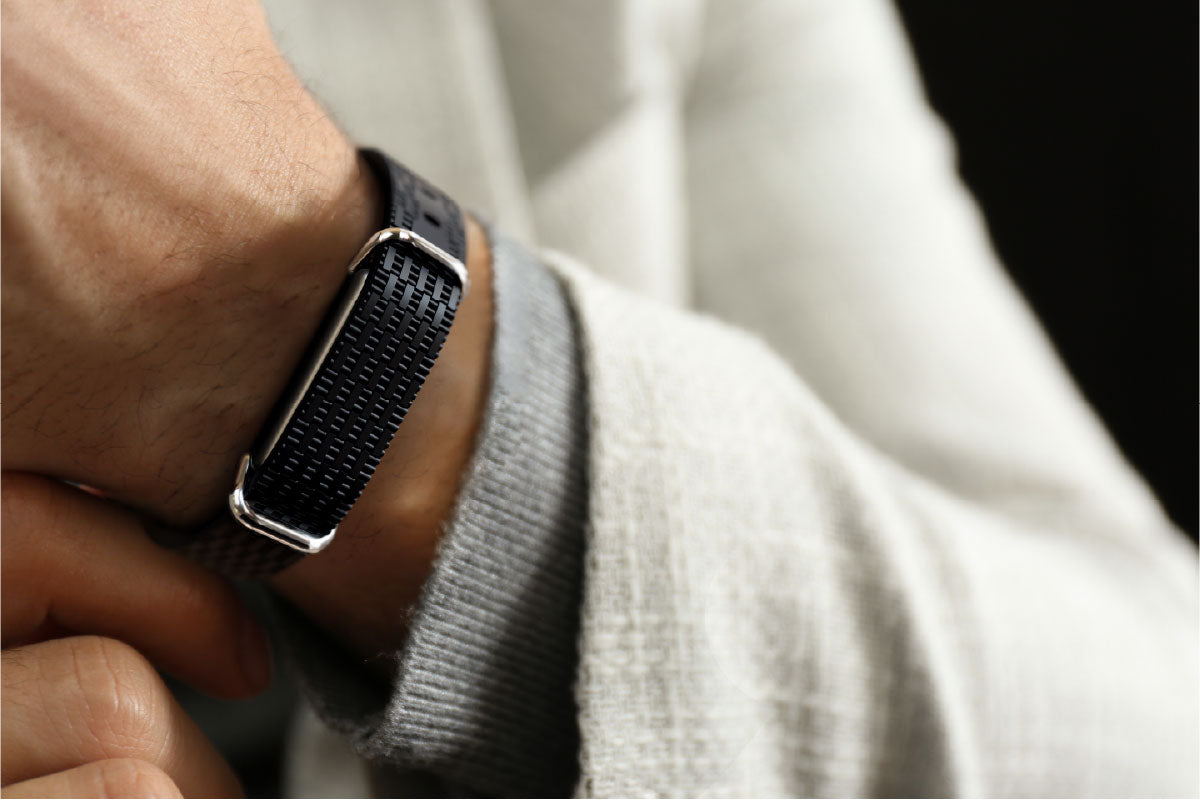
Blood pressure time in target range (TTR) estimates the share of a measurement period during which blood pressure stayed within a defined range. Researchers use it to describe consistency over time. TTR can add information beyond a single reading or an average, although studies still use different target ranges and calculation methods. Hilo Core draws on the same practical idea. Its included upper-arm cuff provides point-in-time reference readings, while the cuffless band and app add a longer record of patterns across days and weeks.
Key Facts
- TTR measures consistency, not a single value: It estimates the percentage of a defined period during which blood pressure stayed within a study-defined range — giving a different picture than an average alone.
- No universal threshold exists: Studies use different target ranges, calculation methods, and measurement periods. There is no clinically accepted TTR target for adults.
- Higher TTR has been associated with better cardiovascular outcomes: Secondary analyses of SPRINT, ACCORD, and a 2025 systematic review found associations with lower risks — but these are associations, not proven causal relationships.
- Hilo Core uses the practical value of a longer record: The included cuff provides point-in-time reference readings. The band and app add a separate wellness view across days and weeks. Clinical TTR calculation falls outside Hilo Core’s cuffless features. Explore Hilo Core.
A Single Reading Belongs to a Specific Moment
A cuff reading of 128/78 mm Hg at 7:10 a.m. can be accurate and useful. It records what was happening after a particular night of sleep, at one point in a medication cycle, in one body position, and under one set of measurement conditions. By afternoon, several of those conditions may have changed.

Blood pressure rises and falls during ordinary life. Physical activity, emotional stress, sleep, meals, alcohol, caffeine, pain, temperature, and measurement technique can all affect the result. Because individual values vary, the 2025 AHA/ACC guideline classifies office blood pressure from an average of at least two careful readings obtained on at least two separate occasions. It also recommends appropriate out-of-office measurement to confirm suspected hypertension and support management. 2025 AHA/ACC High Blood Pressure Guideline.
TTR adds a measure of consistency. It estimates how often blood pressure stayed inside a study-defined range during the observation period.
What Blood Pressure Time in Target Range Measures
TTR is usually expressed as a percentage:
TTR (%) = estimated time within the selected range / total observation period × 100
Suppose a study defines a systolic range of 110 to 130 mm Hg. A TTR of 80% means that systolic blood pressure was estimated to fall within that range for 80% of the period analyzed. The percentage does not identify why blood pressure moved outside the range. Personal treatment goals require clinical assessment.
Researchers generally use one of two methods. The proportion method divides the number of readings inside the range by the total number of readings. Linear interpolation estimates values between consecutive readings and calculates how much of the intervening time fell within range.
The calculation method affects the result. A 2024 scoping review included 17 articles and found measurement periods from 24 hours to 15 years, target ranges that differed across studies, and two calculation approaches. Twelve studies used linear interpolation, and five used the proportion of readings in range. No universal TTR threshold emerged. Blood Pressure Time at Target Scoping Review.
Why an Average Can Miss a Different Pattern
A single reading, an average, blood pressure variability, and TTR summarize different features of the same record.
Table 1. What each measure summarizes
| Measure | What it summarizes | What it can miss |
|---|---|---|
| Single reading | Blood pressure at one specific moment | Whether the value was typical for the day or week |
| Average blood pressure | The central level across several readings | Large excursions above and below the average |
| Blood pressure variability | How widely readings fluctuate | How often values remain within a selected range |
| Time in target range | Consistency within a predefined range | Why the pattern occurred and what clinical response is appropriate |
Consider two fictional profiles. The illustrative systolic range is 120 to 135 mm Hg and is used only to show how the measures differ.
Table 2. Same average, different pattern
| Profile | Five systolic readings | Average | Readings in range |
|---|---|---|---|
| A | 124, 126, 128, 130, 132 | 128 mm Hg | 5 of 5 |
| B | 100, 114, 128, 142, 156 | 128 mm Hg | 1 of 5 |
Both profiles average 128 mm Hg. Profile A is tightly grouped. Profile B extends from 100 to 156 mm Hg. TTR preserves part of that difference, while variability describes the spread. Clinical interpretation still depends on measurement quality, medical history, and professional assessment.
What TTR Studies Have Found
Secondary analyses of large hypertension trials brought TTR into wider use.
A 2021 post hoc analysis of SPRINT calculated systolic TTR during the first three months of follow-up. The target range was 110 to 130 mm Hg in the intensive-treatment arm and 120 to 140 mm Hg in the standard-treatment arm. Greater TTR was associated with a lower risk of a first major adverse cardiovascular event after adjustment for mean systolic pressure and blood pressure variability. SPRINT TTR Analysis in JACC.
A 2023 analysis combined data from SPRINT and ACCORD BP. Higher systolic TTR was associated with lower risks of adverse cardiovascular and kidney outcomes. The investigators used treatment-arm-specific systolic ranges, so the result remains tied to the protocol that produced it. SPRINT and ACCORD TTR Analysis.
A 2025 systematic review included 21 studies. Higher TTR was associated with lower risks of all-cause mortality, cardiovascular death, major adverse cardiovascular events, and heart failure. Most of the evidence came from observational cohorts or secondary analyses of trials. The literature shows an association. Prospective trials are still needed to determine whether an intervention that raises TTR changes clinical outcomes. TTR Systematic Review in Hypertension.
Why Sampling Frequency Changes TTR
A time-based metric depends on how often blood pressure is sampled. Sparse readings can miss overnight changes, short excursions, and values that occur outside a familiar home-measurement routine.
A 2024 retrospective study examined 2,252,224 readings from 5,189 European users of a separate CE-marked Aktiia cuffless medical device. The investigators compared shorter schedules with a 15-day reference period. A one-day, 24-hour schedule placed 26% of users in a different TTR group than the reference. A one-week daytime schedule placed 45% in a different group. Classification accuracy reached at least 90% only with seven days of continual 24-hour observation. Continual Measurement and TTR Study.
The analysis was retrospective, 82% of participants were male, and diagnoses, medications, and comorbidities were unavailable. Four authors were employees of the manufacturer, and the fifth reported a consulting relationship. Within those limits, the study shows that the sampling schedule can materially change a TTR classification. The medical claims in that study apply to the earlier device.
Where TTR Fits in Blood Pressure Care in 2026
TTR remains an emerging research metric. Clinical practice has no standard calculation method, universal range, or accepted TTR threshold for adults.
The 2025 AHA/ACC guideline continues to base diagnosis and medical management on standardized cuff measurements, repeated readings, and appropriate use of home or ambulatory blood pressure measurement. It recommends against using cuffless blood pressure devices for diagnosis or management of high blood pressure. 2025 AHA/ACC High Blood Pressure Guideline.
The American Heart Association’s 2026 scientific statement on cuffless devices describes the potential of frequent, unobtrusive measurement and the remaining questions about calibration, validation, real-world accuracy, interpretation, and links to outcomes. AHA Scientific Statement on Cuffless Blood Pressure Devices.
For cuff readings, technique still matters. Use an appropriately sized cuff on a bare upper arm. Rest quietly for at least five minutes, support the arm at heart level, keep the back supported and feet flat on the floor, and avoid talking during the measurement. A consistent home protocol generally includes two readings at least one minute apart. AHA Scientific Statement on Blood Pressure Measurement.
How Hilo Core Uses a Longer Record
Hilo Core combines a validated upper-arm cuff, a cuffless band, and an app in one blood-pressure-focused system. The included cuff provides point-in-time reference readings. The validation study cited for the cuff was published under the earlier Aktiia device name; the oscillometric cuff met the ANSI/AAMI/ISO 81060-2:2013 criteria for adult home blood pressure use. Upper-Arm Cuff Validation Study.
The band and app add a longer wellness record, displayed separately from cuff readings in the app. Several weeks of use can make recurring changes easier to notice alongside sleep disruption, travel, activity, or a shift in routine — supporting reflection and a more informed conversation with a health care professional. Causal interpretation, diagnosis, and treatment decisions remain with qualified professionals.
Clinical TTR calculation falls outside Hilo Core’s cuffless features. TTR is useful here because it explains the value of repeated observation. The cuff supplies the reference reading, and the cuffless experience adds a longer view of day-to-day patterns within the product’s wellness framework.
Why Hilo Core Is Subscription-Based
An upper-arm cuff is useful from the first day. Hilo Core adds value as new observations join the history already in the app.
A few days may show ordinary variation. Several weeks make it easier to compare a surprising morning with the days around it. A longer history can show whether a change appeared once, returned repeatedly, or occurred during a different routine. The record becomes more useful as it gains continuity.
The subscription supports the ongoing app experience and the services that maintain that record over time. New cuff readings and cuffless observations remain connected with earlier periods, so the system continues to serve a purpose after setup and the first month.
Blood Pressure TTR Adds a Measure of Consistency
Time in target range turns repeated blood pressure data into an estimate of consistency. Studies have linked higher TTR with lower risks of cardiovascular and kidney outcomes across several populations. Standard methods and clinical thresholds are still developing.
Hilo Core uses the practical value of a longer record while keeping clinical TTR outside the cuffless experience. The included upper-arm cuff provides the point-in-time reading. The band and app preserve a separate view of patterns across days and weeks, with both parts available in one blood-pressure-focused system.
WHEN A VERY HIGH READING NEEDS URGENT ACTION
If your blood pressure is higher than 180 systolic and/or 120 diastolic, wait at least one minute and measure again.
If the second reading is just as high and you have chest pain, shortness of breath, back pain, numbness, weakness, a change in vision, difficulty speaking, or another new concerning symptom, call 911.
If you do not have symptoms but the reading remains that high, contact your health care professional promptly.
Follow the American Heart Association severe-hypertension guidance.
Do not change medication based on a single reading unless a qualified clinician tells you to.
More Than a Snapshot — See Your Blood Pressure Patterns Over Time
Hilo Core combines a validated upper-arm cuff with a cuffless band and app — so you build a longer record of consistency, not just a single number from your last check.
Get Hilo CoreDisclaimer: Hilo Core is a wellness product. It is not intended to diagnose, treat, cure, or prevent any disease. It is not intended to measure blood pressure for medical purposes. This article is for general informational purposes only and does not constitute medical advice. Individual health decisions should be made in consultation with a qualified healthcare professional. Hilo Core is not recommended during pregnancy or for individuals with certain cardiac implants or pre-existing conditions. Please consult your healthcare provider before use.
Frequently Asked Questions
What is blood pressure time in target range?
Blood pressure time in target range is an estimate of the percentage of a measurement period during which blood pressure stayed within a predefined range. The range, source of readings, duration, and calculation method determine what the percentage means.
What is a good blood pressure TTR?
No universal percentage has been established. Published studies use different systolic and diastolic ranges, measurement periods, and calculation methods. A personal blood pressure goal should be set with a qualified health care professional.
Is TTR more useful than average blood pressure?
They serve different purposes. Average blood pressure describes the central level across readings. TTR describes consistency within a selected range, and variability describes the spread. Current U.S. guidance bases diagnosis and treatment on validated measurements, repeated averages, and clinical assessment.
Does Hilo Core provide a clinical TTR score?
Clinical TTR calculation is outside Hilo Core’s cuffless wellness features. Hilo Core includes an upper-arm cuff for point-in-time reference readings, while the band and app provide a separate longer view of patterns over time.
Sources
- Jones DW, Ferdinand KC, Taler SJ, et al. 2025 AHA/ACC/AANP/AAPA/ABC/ACCP/ACPM/AGS/AMA/ASPC/NMA/PCNA/SGIM Guideline for the Prevention, Detection, Evaluation, and Management of High Blood Pressure in Adults. Circulation. 2025;152:e114–e218. doi:10.1161/CIR.0000000000001356. 2025 AHA/ACC High Blood Pressure Guideline
- Muntner P, Shimbo D, Carey RM, et al. Measurement of Blood Pressure in Humans: A Scientific Statement From the American Heart Association. Hypertension. 2019;73:e35–e66. doi:10.1161/HYP.0000000000000087. AHA Scientific Statement on Blood Pressure Measurement
- Cohen JB, Byfield RL, Hardy ST, et al. Cuffless Devices for the Measurement of Blood Pressure: A Scientific Statement From the American Heart Association. Hypertension. 2026;83:876–886. doi:10.1161/HYP.0000000000000254. AHA Scientific Statement on Cuffless Blood Pressure Devices
- Fatani N, Dixon DL, Van Tassell BW, Fanikos J, Buckley LF. Systolic Blood Pressure Time in Target Range and Cardiovascular Outcomes in Patients With Hypertension. J Am Coll Cardiol. 2021;77:1290–1299. doi:10.1016/j.jacc.2021.01.014. SPRINT TTR Analysis in JACC
- Buckley LF, Baker WL, Van Tassell BW, et al. Systolic Blood Pressure Time in Target Range and Major Adverse Kidney and Cardiovascular Events. Hypertension. 2023;80:305–313. doi:10.1161/HYPERTENSIONAHA.122.20141. SPRINT and ACCORD TTR Analysis
- Wang H, Song J, Liu Z, et al. Time in Target Range for Blood Pressure and Adverse Health Outcomes: A Systematic Review. Hypertension. 2025;82:419–431. doi:10.1161/HYPERTENSIONAHA.124.24013. TTR Systematic Review in Hypertension
- Li W, Gnanenthiran SR, Schutte AE, Tan I. Blood Pressure Time at Target and Its Prognostic Value for Cardiovascular Outcomes: A Scoping Review. Hypertens Res. 2024;47:2337–2350. doi:10.1038/s41440-024-01798-1. Blood Pressure Time at Target Scoping Review
- Fisher NDL, Almeida TP, Perruchoud D, Shah J, Sola J. Optimizing Time-in-Target-Range Assessment for Blood Pressure: Insights From a Large-Scale Study With Continual Cuffless Monitoring. Front Med (Lausanne). 2024;11:1396962. doi:10.3389/fmed.2024.1396962. Continual Measurement and TTR Study
- Alexandre J, Tan K, Almeida TP, Sola J, Alpert BS, Shah J. Validation of the Aktiia Blood Pressure Cuff for Clinical Use According to the ANSI/AAMI/ISO 81060-2:2013 Protocol. Blood Press Monit. 2023;28:109–112. doi:10.1097/MBP.0000000000000639. Upper-Arm Cuff Validation Study
- American Heart Association. When To Call 911 About High Blood Pressure. Last reviewed August 14, 2025. AHA emergency guidance
Read more
Blood pressure naturally rises and falls over each day and night, so two checks can show two different numbers, and usually both are real. This article walks through the daily rhythm, the nighttime...
A single number on a cuff display used to be the whole story. Then the guidelines moved the line for high blood pressure lower than the number most people memorized. Here is what current guidance a...
Measuring your blood pressure correctly means the number on the screen should reflect your resting body, not the rush that got you there. Small, fixable steps in preparation and positioning have a ...