

What lowers diastolic blood pressure: the habits and conditions that move it
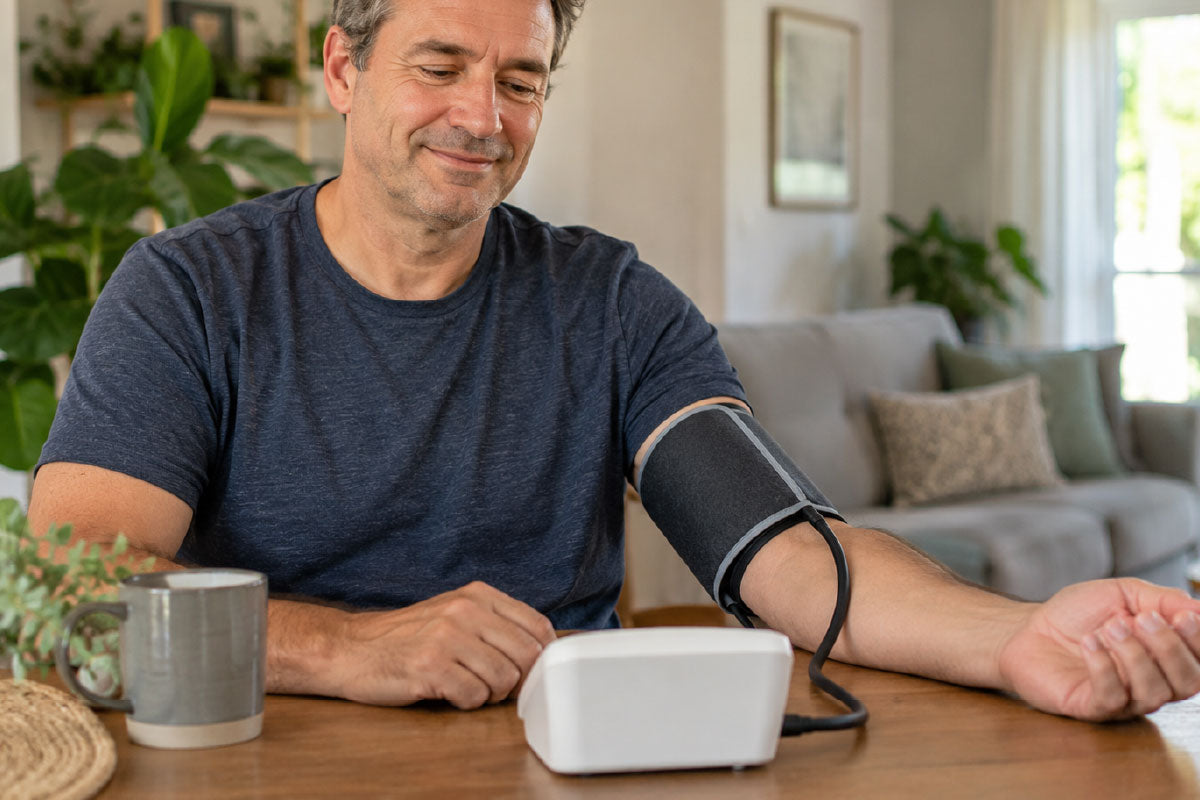
You just got a blood pressure reading back with a normal top number, but the bottom one is elevated. That gap can be confusing: which number actually matters? Diastolic blood pressure, the pressure in your arteries between heartbeats, can rise on its own, separate from systolic. This guide covers what lowers diastolic blood pressure day to day, why the number behaves differently from systolic, and when a change is worth a call to your doctor.
Key facts
- Diastolic pressure can rise on its own: Isolated diastolic hypertension occurs when the bottom number is elevated while the top number stays normal, and it is most common in adults under 55, according to Cleveland Clinic.
- The same habits that help systolic pressure also help diastolic: Weight management, sodium reduction, aerobic exercise, and better sleep all move the diastolic number too, though the effect can take weeks to show.
- Sleep apnea is a commonly missed driver: Obstructive sleep apnea causes repeated blood pressure surges during sleep and can contribute to elevated pressure at night and during the day, and it is a screenable, treatable cause many people never test for, per recent peer-reviewed research on OSA-related hypertension.
- Hilo Core shows the pattern behind the number: Hilo Core pairs a wearable band and app with a reference cuff, so you can see how your diastolic pressure moves over weeks, giving you and your doctor more context for what is actually changing.
What diastolic blood pressure actually means (and why it’s not the less important number)
Diastolic blood pressure measures the pressure in your arteries while your heart rests between beats. It sits below the systolic number on a reading, and it is easy to assume that a normal-looking top number means the bottom number does not matter. That assumption overlooks a data point worth paying attention to.
Under U.S. AHA/ACC criteria, isolated diastolic hypertension is diagnosed when the diastolic (bottom) blood pressure is 80 mmHg or higher while the systolic (top) pressure remains below 130 mmHg, based on repeated blood pressure measurements. In NHANES 2013 to 2016, about 6.5% of U.S. adults met these criteria, according to McEvoy et al., 2020. Isolated diastolic hypertension is its own clinical picture. It usually isn’t a serious issue right away, but it may raise a person’s risk of cardiovascular problems over time, per Cleveland Clinic.
The American Heart Association places a normal reading under 120/80 mmHg, elevated pressure at 120–129 systolic with diastolic under 80, and Stage 1 hypertension starting at 80 mmHg diastolic. The 2025 AHA/ACC guideline sets an overall treatment goal of under 130/80 mmHg for adults, while allowing individualized targets in certain clinical situations. Systems like Hilo Core keep the cuff-based reference reading separate from band-based trend data, so it is always clear which number came from which layer.
Why your diastolic number changes as you age
As you get older, your diastolic blood pressure naturally tends to go down while your systolic keeps going up, per Cleveland Clinic. That divergence is exactly why isolated diastolic hypertension shows up more often in adults under 55.
If you are younger and see an elevated diastolic number, this is a recognized and common pattern. Reaching the same reading at 65 tells a different story than reaching it at 35. Hilo’s guide to blood pressure by age walks through how both numbers typically shift across the decades.
This is also a practical argument against relying on a single office visit. A reading that looks unremarkable this year can mean something different next year, simply because the relationship between your systolic and diastolic numbers keeps shifting with age.
Everyday habits that lower diastolic blood pressure
The lifestyle factors that support healthy blood pressure overall also apply to the diastolic number specifically:
- Weight management: For people with overweight or obesity, losing weight can lower blood pressure by roughly 1 mmHg for every 2.2 pounds (one kilogram) lost, per the 2025 AHA/ACC guideline as summarized in a 2025 peer-reviewed narrative review (Han et al., 2025).
- Aerobic exercise: Regular aerobic activity is associated with reductions in systolic blood pressure of about 4 to 8 mmHg in adults with hypertension, per the 2025 AHA/ACC guideline.
- Sodium reduction: Limiting sodium intake to below 2,300 mg per day (about 1 teaspoon of salt), and ideally toward below 1,500 mg per day, can lower systolic blood pressure by about 6 to 8 mmHg on average in adults with hypertension, per the 2025 AHA/ACC guideline.
- Sleep: Most adults should aim for 7 to 9 hours of sleep each night; regularly getting less is associated with a higher risk of high blood pressure and abnormal nighttime blood pressure patterns, per an American Heart Association scientific statement.

These effects take weeks to months to show up, and they often only become visible when several habits change at the same time. A short one-week experiment with just one change rarely shows the full picture; consistency over months is what tends to move the diastolic number in a lasting way.
Sleep apnea: a diastolic driver most advice leaves out
Obstructive sleep apnea is one of the most common and most frequently missed secondary causes of elevated blood pressure, including the diastolic number. It causes repeated blood pressure surges during sleep and can contribute to elevated pressure at night and during the day, per Pengo et al., 2025.
Watch for loud snoring, daytime fatigue after a full night’s rest, or a partner noticing pauses in your breathing, and raise these with your doctor. An at-home breathing study is a reasonable next step, and sleep apnea is treatable: treating OSA with nasal CPAP typically lowers blood pressure modestly, though it does not reliably restore normal nighttime dipping in every patient, per Pengo et al., 2025 and Benning et al., 2025. A wearable that stays comfortable overnight, like Hilo Core’s screen-free band, can make it easier to build a longer record of your blood pressure patterns, so you have more context to bring to your next appointment; your doctor decides how your treatment is going.
When lifestyle changes alone won’t lower diastolic blood pressure enough
Blood pressure that stays above your doctor’s target often needs medication, and that decision belongs to your physician. Lifestyle changes work best alongside medication rather than as a replacement for it. Over time, consistent habits may allow your doctor to reduce your dose or, in some cases, stop medication altogether, but only your physician can make that call, per the 2025 AHA/ACC guideline.
Research on where diastolic pressure becomes genuinely risky is still evolving. A study of more than 47,000 adults found no evidence that lower diastolic blood pressure causally increased the risk of heart attack, including at diastolic pressures around 60 mmHg (Arvanitis et al., 2020). This does not establish 60 mmHg as a universal treatment target or safety threshold, and it is not a reason to disregard a persistently elevated reading without medical guidance.
Your doctor sets the target and the treatment plan. What you and your doctor can review together is the pattern over time.
Seeing whether your changes are actually working with Hilo Core
Hilo Core is built for exactly this question: is the change you made actually moving your numbers, or does it just feel that way? A single reading, at home or in a clinic, cannot show whether a lifestyle change shifted your diastolic pressure over several weeks. Hilo Core pairs a wearable band with a calibration cuff that provides a validated reference measurement, giving you a long-term view of your blood pressure pattern. The Hilo Core app also tracks sleep and daily step activity alongside your BP pattern, so you can see whether a shift in your numbers lines up with a shift in your routine.
Hilo Core gives your doctor richer pattern data: averaged over time, gathered across your everyday routine, and covering patterns like how your pressure shifts overnight or first thing in the morning, all in a format that is easy to share and review together. Hilo Core gives you more to bring to your next appointment, so the conversation starts with your pattern data. Hilo Core is available for US$239.98 for the first year, made up of a US$89.99 one-time hardware cost and a US$149.99 annual subscription that keeps the band-and-app trend view active.
Understanding your diastolic pattern over time
Diastolic blood pressure responds to the same levers as systolic pressure: weight, sodium, exercise, and sleep, just on a slower and less visible timescale. Your age changes what a normal-looking reading actually means, and sleep apnea is a commonly missed driver worth ruling out. None of this replaces your doctor’s guidance. Understanding your own pattern over time still gives you a clearer picture to work from together. Hilo’s guide to who Hilo Core fits best can help you decide whether this kind of ongoing pattern view is the right next step for you.
You should not use the Hilo Core Band or Hilo Cuff if you are pregnant or may be pregnant, have an implanted electronic device such as a pacemaker or defibrillator, have damaged or irritated skin where the device would be worn, or have a condition that affects how signals are detected at the wrist or arm. If you are unsure whether Hilo Core is appropriate for you, talk with a healthcare professional first.
See the pattern behind your diastolic number
Hilo Core pairs a light, water-resistant band with a calibration cuff and an app, so you can see how your blood pressure patterns move over weeks, contextualised with your sleep and daily activity. It is designed to help you understand how your everyday habits relate to your blood pressure patterns over time, and it gives you and your doctor more to review together at your next appointment.
Get Hilo CoreDisclaimer: Hilo Core is a wellness product. It is not intended to diagnose, treat, cure, or prevent any disease. It is not intended to measure blood pressure for medical purposes. This article is for general informational purposes only and does not constitute medical advice. Individual health decisions should be made in consultation with a qualified healthcare professional. Hilo Core is not recommended during pregnancy or for individuals with certain cardiac implants or pre-existing conditions. Please consult your healthcare provider before use.
FAQ
What is a normal diastolic blood pressure for adults over 40?
The American Heart Association places normal diastolic pressure under 80 mmHg, and this threshold does not change with age under current guidance. Because a single office visit only captures one moment, a reading close to this line is worth tracking over several weeks.
Can diastolic blood pressure be high while systolic is normal?
Yes. This pattern is called isolated diastolic hypertension, and it is most common in adults under 55, before the typical age-related pattern in which diastolic pressure tends to fall while systolic keeps rising. Hilo’s blood pressure by age guide breaks down how this shifts across the decades.
Can sleep apnea cause high diastolic blood pressure?
Yes. Obstructive sleep apnea causes repeated blood pressure surges during sleep and can contribute to elevated pressure, including the diastolic number, per recent research on OSA-related hypertension. An at-home breathing study is a reasonable next step if you notice snoring, daytime fatigue, or witnessed breathing pauses.
Is a diastolic reading of 85 something to worry about?
A diastolic reading of 85 mmHg falls within the Stage 1 range (80–89 mmHg) under AHA guidance. It is worth tracking the pattern over several weeks and discussing it with your doctor.
Sources
- D. W. Jones; K. C. Ferdinand; S. J. Taler et al. (2025). 2025 AHA/ACC/AANP/AAPA/ABC/ACCP/ACPM/AGS/AMA/ASPC/NMA/PCNA/SGIM Guideline for the Prevention, Detection, Evaluation and Management of High Blood Pressure in Adults. Circulation, 152(11), e114-e218. https://doi.org/10.1161/CIR.0000000000001356
- J. W. McEvoy et al. (2020). JAMA, 323(4), 329-338. https://doi.org/10.1001/jama.2019.21402
- M. F. Pengo et al. (2025). European Respiratory Journal, 65(1), 2400837. https://doi.org/10.1183/13993003.00837-2024
- L. Benning; J. J. Herzig; M. S. Mollet et al. (2025). Effects of CPAP on Blood Pressure Parameter Across Different Severities of Obstructive Sleep Apnoea: A Meta-Analysis. Journal of Sleep Research, 34(5), e70072. https://doi.org/10.1111/jsr.70072
- M. Arvanitis; G. Qi; D. L. Bhatt et al. (2020). A Linear and Non-Linear Mendelian Randomization Analysis of the Association Between Diastolic Blood Pressure and Cardiovascular Events: The J Curve Revisited. Circulation, 143(9), 895-906. https://doi.org/10.1161/CIRCULATIONAHA.120.049819
- B. Han; G. B. Lee; J. Yoon; Y. H. Kim (2025). Lifestyle interventions for hypertension management in primary care: a narrative review. Ewha Medical Journal, 48(4), e56. https://doi.org/10.12771/emj.2025.00850
- M. P. St-Onge et al. (2025). Multidimensional Sleep Health: Definitions and Implications for Cardiometabolic Health: A Scientific Statement From the American Heart Association. Circulation: Cardiovascular Quality and Outcomes, 18(9). https://doi.org/10.1161/HCQ.0000000000000139
- Isolated Diastolic Hypertension: Causes & Treatment. Cleveland Clinic. https://my.clevelandclinic.org/health/diseases/isolated-diastolic-hypertension (Accessed August 2026)
- Understanding Blood Pressure Readings. American Heart Association. https://www.heart.org/en/health-topics/high-blood-pressure/understanding-blood-pressure-readings (Accessed August 2026)
Read more
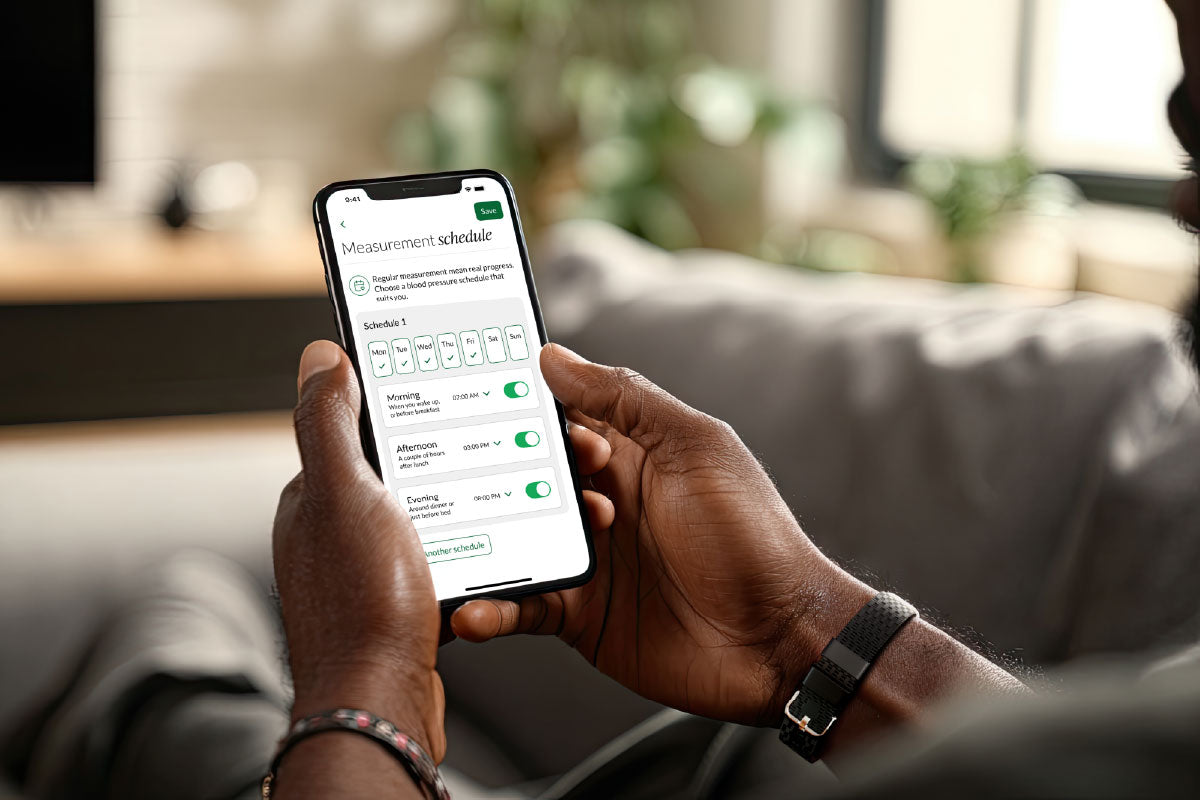
Hilo Core and Omron start from the same foundation: a validated upper-arm cuff. What each system builds around that cuff is where they differ. This comparison shows how the two systems differ on va...

Regular exercise can reduce resting systolic blood pressure by up to 9 mmHg (AHA, 2025) — an effect comparable to some medications. But most people exercising for their BP have no real way of seein...
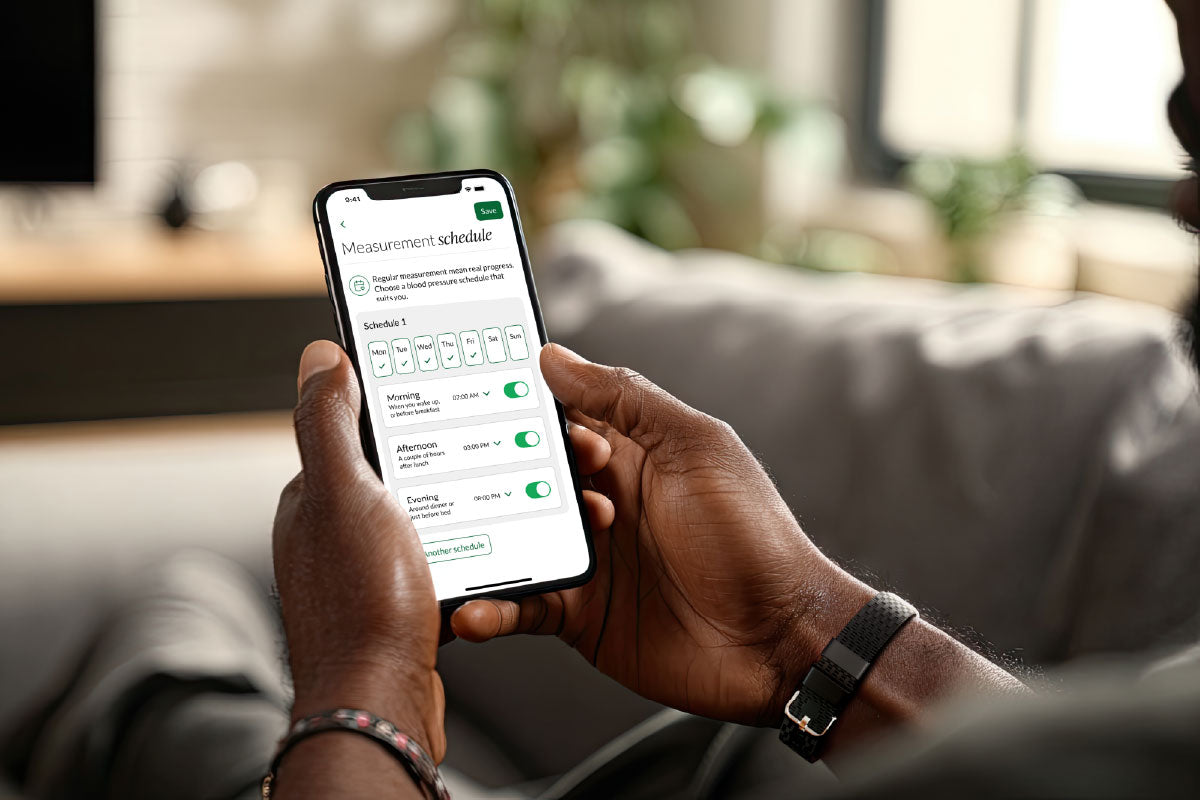
How does a blood pressure wristband work? Hilo Core combines a validated upper-arm cuff with a cuffless band and app. The cuff provides point-in-time reference readings. The band uses green-light p...