


Blood pressure usually decreases during sleep, and a modest nighttime dip is expected and healthy. What deserves attention is a dip that never happens, or a nighttime number that stays high while t...

Blood pressure moves through the day, so when you check changes what a reading can tell you and your doctor. Learn the best time to measure, how to prepare for each reading, and why the morning num...

Blood pressure naturally dips during sleep and surges after waking, but an exaggerated morning rise is linked to cardiovascular risk. Here is what is normal about the morning rise, when it becomes ...

Blood pressure naturally rises in the early-morning hours as part of the body's daily rhythm, so a higher morning reading is often normal. Here is what is ordinary, what doctors mean by a morning s...
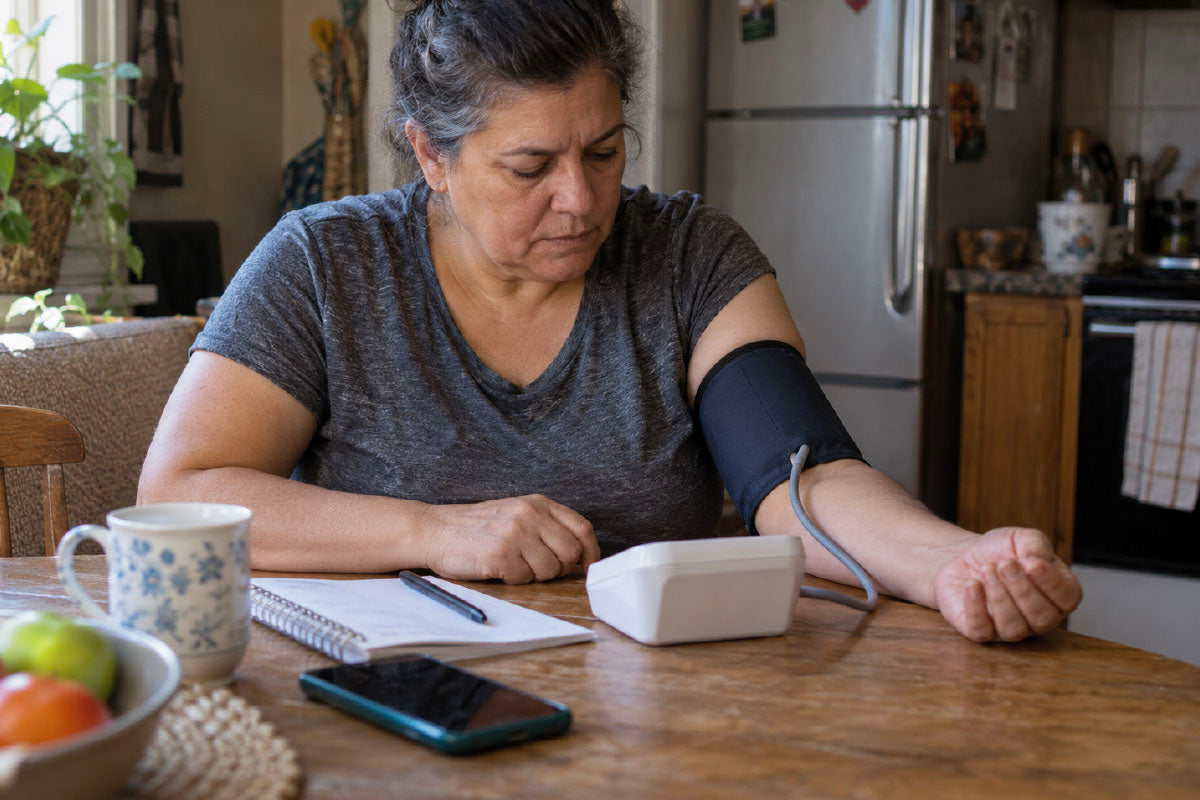
Blood pressure naturally rises and falls over each day and night, so two checks can show two different numbers, and usually both are real. This article walks through the daily rhythm, the nighttime...
A single number on a cuff display used to be the whole story. Then the guidelines moved the line for high blood pressure lower than the number most people memorized. Here is what current guidance a...
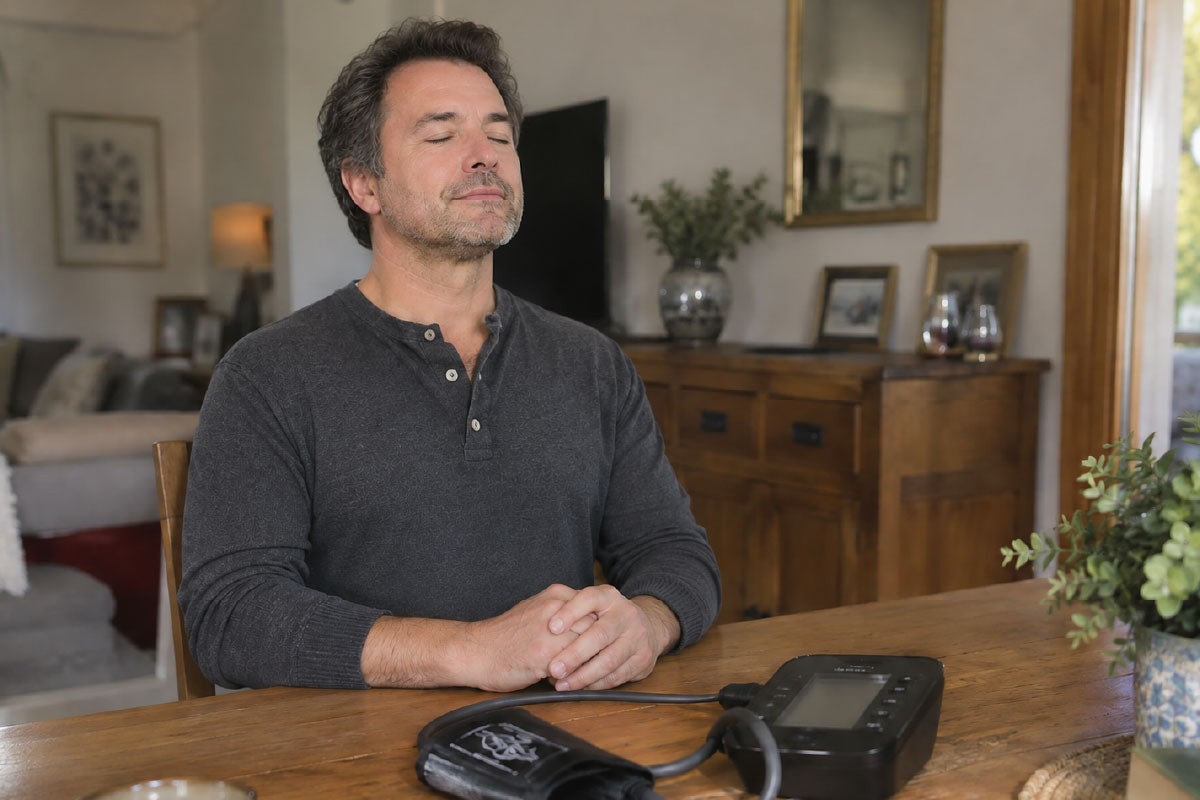
Measuring your blood pressure correctly means the number on the screen should reflect your resting body, not the rush that got you there. Small, fixable steps in preparation and positioning have a ...

You just got a blood pressure reading back with a normal top number, but the bottom one is elevated. This guide covers what lowers diastolic blood pressure day to day, why the number behaves differ...
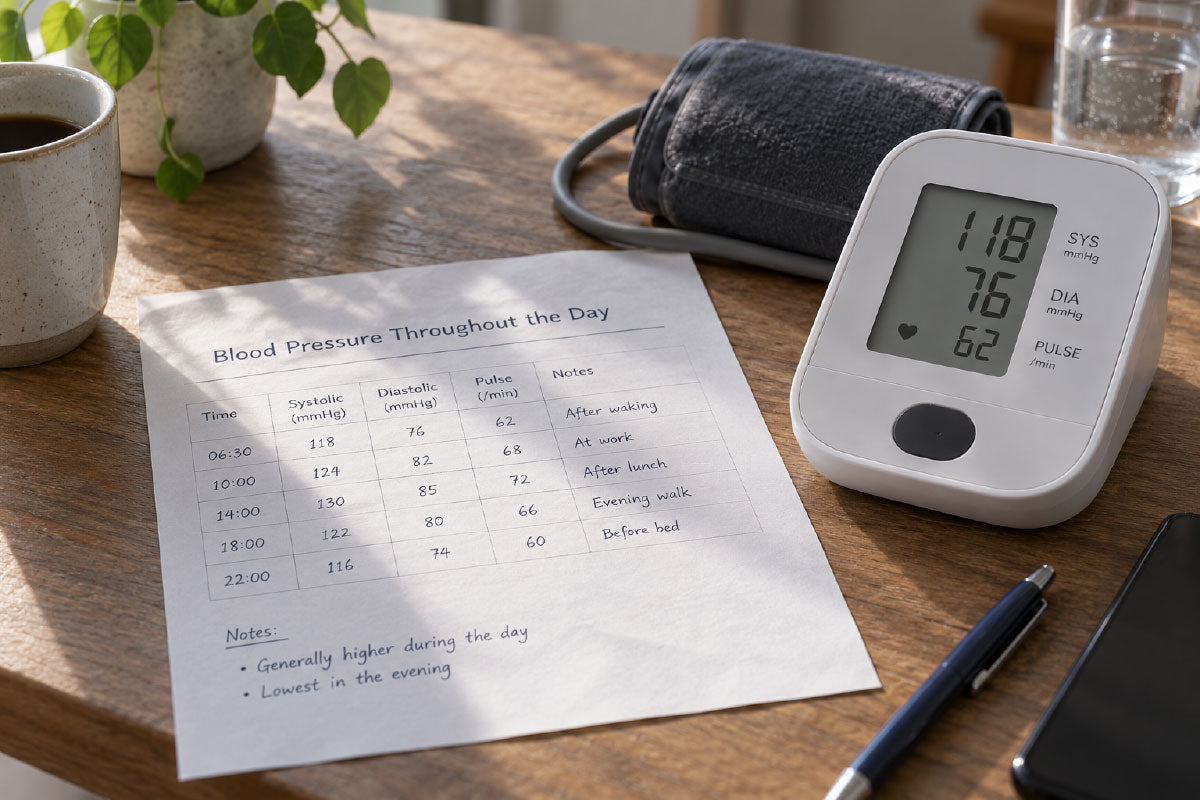
You check your blood pressure in the morning, then again after lunch, and the numbers don't match. That's not a mistake or a broken cuff. Blood pressure changes throughout the day as part of a norm...

Blood pressure changes throughout the day. A morning reading may be accurate for that moment while leaving the surrounding hours unobserved. U.S. guidance therefore relies on repeated, standardized...